Kitchen and Extension Electrics in Norwich and Norfolk

First fix and second fix electrical work for kitchen refits, renovations, extensions, loft conversions and garage conversions across Norwich, Wymondham, Attleborough and the wider South Norfolk area. NAPIT registered, Part P compliant, BS 7671 certified. We work to your builder's programme or directly with you, and we issue full certification on completion.

  • NAPIT registered & Part P compliant
  • Works with your builder or direct
  • Full certification issued

Recent Kitchen & Extension Projects

Real installations across Norwich & South Norfolk

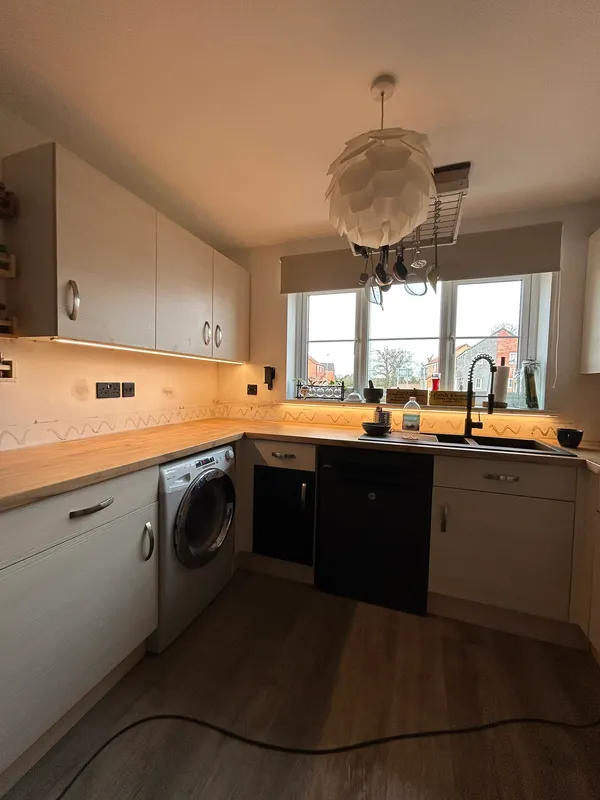
Kitchen refit, Norwich
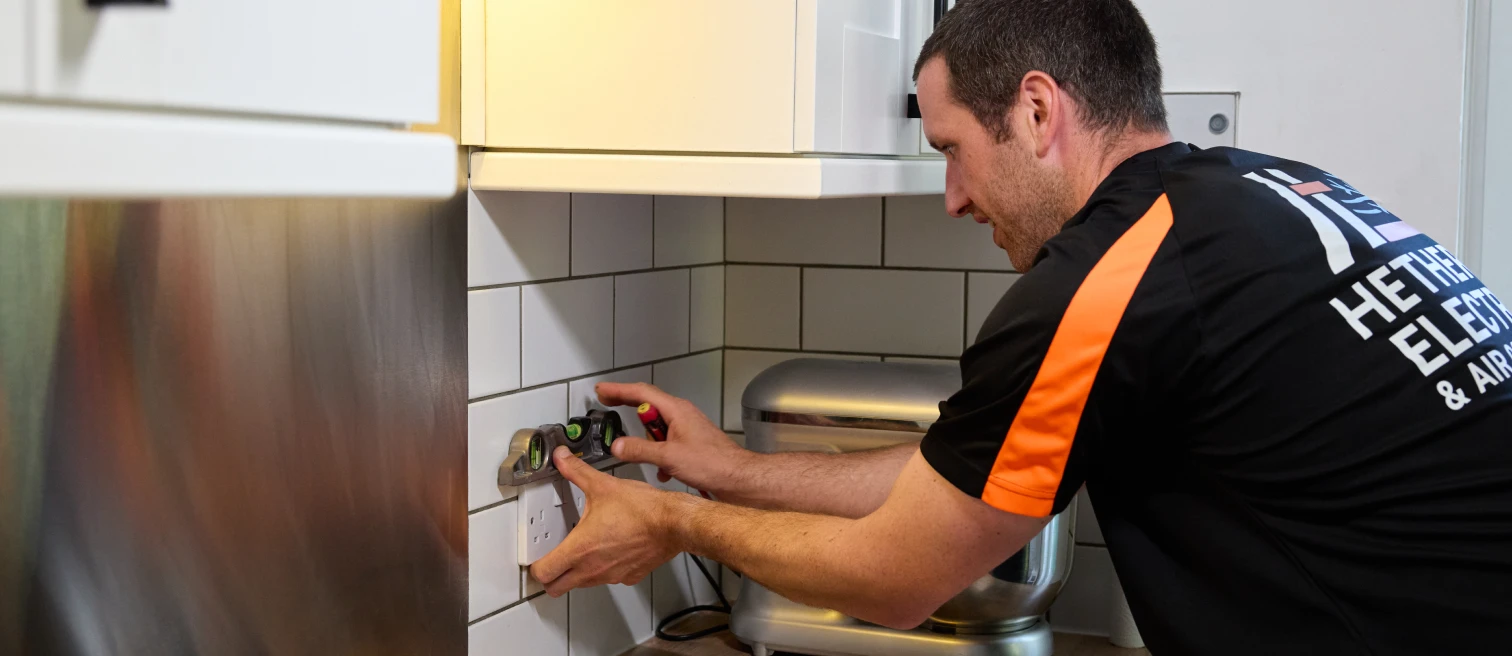
Island sockets, Wymondham
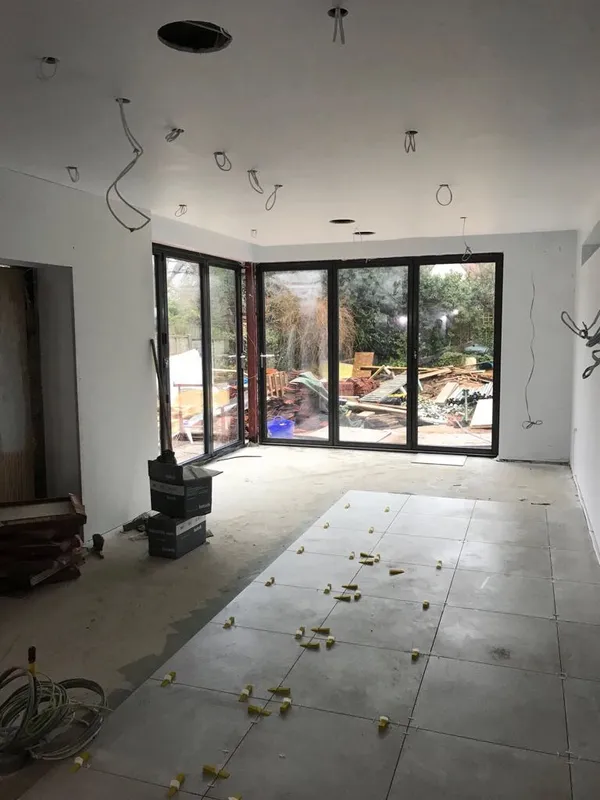
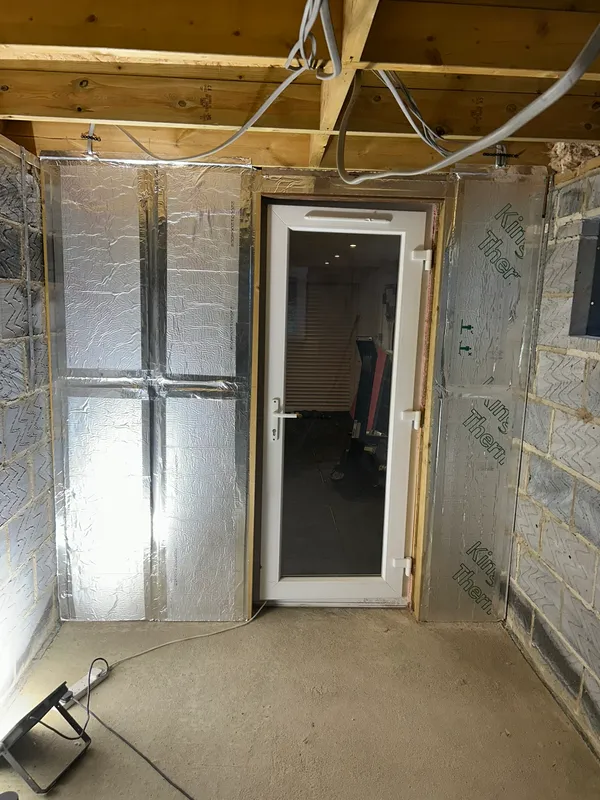
Extension first fix, Attleborough
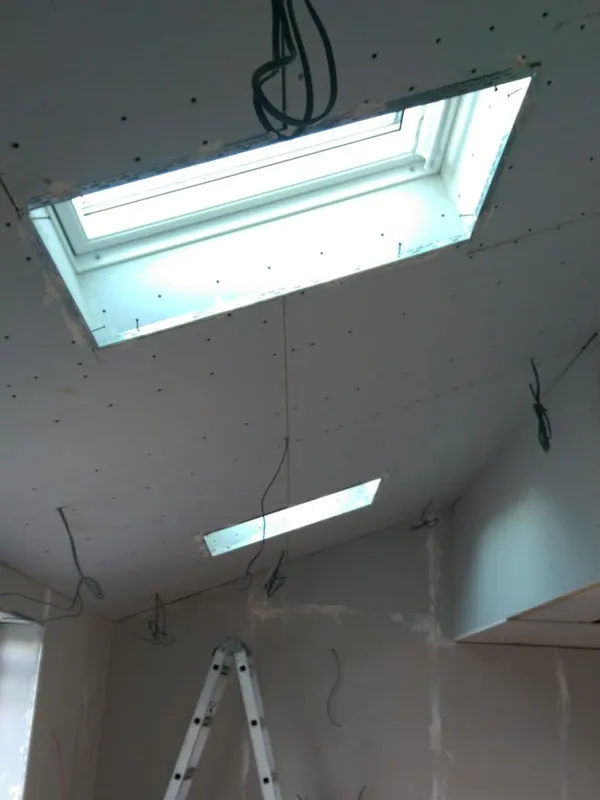
Loft conversion, Hethersett

What kitchen and extension electrical work covers

Any significant piece of building work involves electrical scope, and the scope matters. A new kitchen needs sockets, lighting, cooker and hob circuits, extraction, under-cabinet lighting and sometimes a dedicated board upgrade. An extension needs a complete set of circuits pulled in from the existing consumer unit or, on larger projects, a new board entirely. A loft conversion has to satisfy Part P, smoke and heat alarm linkage, and in many cases fire-rated downlighting. A garage conversion is a de facto extension for regulatory purposes and needs treating that way. We cover all of this as a single trade, with first fix and second fix planned around the build programme and the whole installation tested and certified at the end. Typical projects include:

  • Full kitchen refits and kitchen rewires alongside new kitchen installations
  • Kitchen electrical upgrades without a full refit (new sockets, new lighting, new appliances)
  • Single and two-storey extensions, including wiring out to the existing board or a new consumer unit
  • Loft conversions to current Building Regulations including interlinked smoke and heat alarms
  • Garage conversions into habitable rooms or studios, bringing the electrics up to domestic standard
  • Kitchen and extension electrical work for builders and kitchen fitters who need a reliable NAPIT-registered subcontractor
  • Commercial fit-outs for small shops, cafes, offices and salons where the electrical scope is comparable to a domestic extension

Everything we do is certified to BS 7671 and, where required, notified to Building Control under Part P. You receive an Electrical Installation Certificate on completion of any notifiable work, and a Minor Works certificate for smaller additions, which is the documentation that satisfies conveyancing, insurance and EICR requirements going forward.

Kitchen sockets

Kitchen sockets: how many, where, and at what height

The single most common regret after a kitchen refit is not having enough sockets in the right places. We would rather have that conversation before the plaster goes on than after.

Sockets are the single most frequent question we get on kitchen refits in Norwich and South Norfolk, and they are also the single most common regret after the job is done. Almost every homeowner we have worked with has said, at some point, that they wish they had specified more sockets in the kitchen.

The honest answer to “how many sockets do I need in a kitchen” depends on your kitchen layout, your appliance list and your cooking habits, but a useful rule of thumb is one double socket per linear metre of worktop, plus a double at each work area (toaster, kettle, microwave, coffee machine), plus dedicated outlets for any fixed appliances that cannot share a socket (fridge-freezer, dishwasher, washing machine, oven, hob, extractor). This is a starting point, not a prescription, and we will walk through your exact layout with you before first fix begins.

Height and worktop clearance

The UK convention for kitchen sockets above a worktop is around 150 mm to 200 mm above the worktop surface. This gives enough clearance for plugs without leaving them obviously visible, and keeps the sockets clear of splashback tiles in most standard kitchens.

If you are using a slimline worktop or a very deep upstand, we will adjust the height during first fix to suit, and we always dry-fit the backing boxes so you can see the final position before the wall is closed up.

Behind the oven, behind the fridge-freezer and anywhere a socket will be permanently concealed, we fit a fused spur switched from a visible location, not a hidden socket. Safer, and easier to isolate for maintenance.
Pop-up, worktop and hidden sockets

Pop-up, worktop and concealed sockets are a standard request on kitchen island and peninsula designs. We fit all the main brands (Evoline, Vitek, Kondator, Bachmann) and advise on the practical trade-offs before you commit.

Motorised pop-ups look cleanest but fail mechanically more often than a standard socket. Manual pop-ups are more reliable but need a physical action each time. Side-mounted worktop sockets fit under the overhang and have no mechanical parts to fail. Hidden strips under wall cupboards are cheap and practical where you have cupboards above the worktop.

Whichever you choose, the cut-outs, supply and final testing need to be coordinated with your kitchen fitter. We will speak to them directly if that is easier.

Kitchen island sockets

Kitchen island sockets are not an afterthought. They need a cable route under the floor, planned before the floor is down. On a concrete floor they need to be chased in at first fix.

If the island has electrical appliances (an induction hob, a dishwasher, a waste disposal) they need their own dedicated circuits, not shared ones. The hob in particular will almost certainly need its own 32A circuit back to the board.

The single biggest cause of kitchen island regret we see is an island that was not electrically planned at first fix. Retrofitting power to an island after the floor is laid is expensive, disruptive, and sometimes simply not possible without lifting the floor. If you are planning an island, talk to us before the floor goes down.

Regulations

Kitchen wiring regulations in the UK

Kitchen electrical work in the UK is governed by BS 7671 (the IET Wiring Regulations) and by Part P of the Building Regulations. Here is what that means for your project in plain English.

Kitchen electrical work in the UK is governed by BS 7671 (the IET Wiring Regulations, currently in the 18th Edition with Amendment 2) and by Part P of the Building Regulations, which sets out when notifiable electrical work in a dwelling has to be certified and notified to Building Control.

For a typical kitchen refit in Norfolk, notifiable work usually includes installing a new circuit, replacing a consumer unit, and adding new circuits in kitchens, bathrooms, outdoors or special locations. As a NAPIT-registered electrician, we are a Competent Person under Part P, which means we can self-certify notifiable work and issue the compliance certificate directly, without a separate Building Control submission from you. The certificate is issued on completion and lodged with your local authority within 30 days.

The practical implications for your kitchen project

  • Consumer unit load. A new kitchen with an induction hob, an electric oven, a dishwasher, a washing machine and a fridge-freezer will often tip an older board into needing an upgrade. We calculate the load as part of the quote and flag this early if your existing board will not comfortably support the new installation. See our consumer unit upgrades page.
  • Dedicated circuits. Ovens and induction hobs normally need their own 32A circuits, not shared ones. A single 32A circuit can sometimes serve both, but only where the combined load permits it; we will confirm this per installation.
  • RCD and RCBO protection. All new circuits require 30mA RCD protection. Kitchens, being a damp location in regulatory terms, are particularly sensitive to this. Where we are adding circuits to an older board without RCD protection, a board upgrade is normally the right answer rather than a patch.
  • Zoning next to bathrooms. Where a kitchen adjoins a bathroom or utility with shower access, zone rules apply for socket placement and IP ratings in that zone.
  • Smoke and heat alarm interconnection. In loft conversions and extensions that add a new storey, interlinked smoke alarms on existing floors and a heat alarm in the kitchen are part of the regulatory scope.

If you are planning the project with a builder, they will already know which parts are notifiable; if you are managing the project yourself, we will walk through this with you at quote stage so there are no surprises.

Scope of works

What we install and wire in

A typical kitchen or extension installation covers the following. On extensions, loft conversions and garage conversions the list grows: we wire in the whole new space from the existing board or a new consumer unit.

  • Socket circuits with quantity and position agreed at first fix, including worktop sockets, island sockets, hidden sockets under wall cupboards and dedicated outlets behind fixed appliances.
  • Cooker and hob circuits with the correct cable size, breaker rating and isolation switch. Induction hobs above 7.4 kW increasingly need their own 32A circuit.
  • Dedicated appliance outlets for fridge-freezers, dishwashers, washing machines, tumble dryers and wine coolers, each on an isolatable fused spur where appropriate.
  • Underfloor heating controls and sensor circuits for electric underfloor heating in kitchens, bathrooms and extensions.
  • Smart home and control wiring for Hive, Tado, Nest and similar systems where these form part of the specification.
  • Interlinked smoke and heat alarms to current regulations, particularly on loft conversions and two-storey extensions.
  • Lighting circuits with separate control for ceiling lights, feature lighting, under-cabinet lighting, plinth lighting and external lighting.
  • Extractor and ventilation circuits including cooker hoods, in-line extraction, and heat recovery ventilation where specified.
  • Consumer unit upgrades where the load calculation requires it, or where the existing board is at the end of its useful life.
  • Data, TV, telephone and HDMI cabling pulled in at first fix, because the cost of doing it then is a fraction of doing it later.
  • External power and lighting for extensions that spill out into the garden, with weatherproof sockets, garden lighting circuits and feeds to outbuildings.
  • EV charger supply where the project coincides with driveway work or a garage conversion. See EV charger installation.

Extensions & conversions

Extension, loft conversion and garage conversion electrics

Extension and conversion electrics differ from a kitchen refit in two important ways: the scope is larger, and the timing is tied to a build programme we are not running.

First fix has to land at the right point in the build, second fix has to wait until decoration is complete, and coordination with the builder, plumber, plasterer and kitchen fitter has to be planned rather than improvised.

In practice we work with the main contractor on around three-quarters of extension projects. The homeowner gets one point of contact (the builder), and we slot into the programme at the points we are needed. On the remaining quarter of projects, the homeowner is managing the build directly. Either works; we will not push you down either route. What matters is that the sequence is agreed up front and that first fix and second fix happen cleanly.

Garage conversions

A garage conversion into a habitable room or studio is, electrically, a small extension. The garage wiring is usually minimal (one circuit, two sockets, a fluorescent tube) and needs replacing with a full domestic installation: lighting, sockets, heating control, data cabling, and often a small sub-board.

If the conversion is also going to host an EV charger on the driveway outside, we coordinate both so the supply and conversion are on the same programme and the same quote.

Pricing

How much does kitchen and extension electrical work cost?

Kitchen and extension work is priced on scope, not a simple hourly rate. We always provide a written quote before work begins, with first fix, second fix and any consumer unit work as separate line items.

Work typeWhat is includedPrice range
Kitchen refit electrical scope (no rewire)First and second fix for sockets, lighting, cooker circuit, hob circuit, extraction, under-cabinet lighting and appliance outlets in a typical kitchenFrom £[TBC]
Full kitchen rewireComplete replacement of all kitchen circuits plus new consumer unit where requiredFrom £[TBC]
Single-storey extension electricsFirst and second fix for a typical single-storey rear extension including sockets, lighting, heating controls and tie-in to the existing boardFrom £[TBC]
Loft conversion electricsFirst and second fix for a habitable loft conversion including interlinked smoke and heat alarmsFrom £[TBC]
Garage conversion electricsFull replacement of existing garage electrics with a domestic-standard installationFrom £[TBC]
Consumer unit upgrade (if required)Separate board replacement; see the consumer unit upgrades pageFrom £[TBC]
Small kitchen electrical upgrade (no refit)Extra sockets, new under-cabinet lighting, single appliance circuitsQuoted on survey

How much does it cost to rewire a kitchen?

“How much to rewire a kitchen” is one of the most commonly asked questions on this subject, so it is worth a direct answer. A kitchen rewire as part of a full refit is usually in a fairly narrow range in Norfolk for a typical domestic kitchen: the scope is reasonably consistent (the circuits affected are predictable), the labour time is known, and the accessory spend is a small part of the total.

A standalone kitchen rewire without a full refit, where the units stay in place and only the electrics are replaced, is more disruptive and is priced higher per circuit because of the additional labour working around the existing units. We quote kitchen rewires as a defined scope of work with a fixed price, not a day rate, and the quote includes the house rewire-grade certification and any Part P notification required.

Planning a kitchen or extension?

Free no-obligation survey and written quote for Norwich, Wymondham, Attleborough and surrounding South Norfolk areas.

Our process

How a kitchen or extension project with us works

Seven steps from initial enquiry to post-completion support, designed to fit inside your builder's programme rather than around it.

  1. 01

    Initial enquiry and outline quote

    Call us on 07769 201050 or use the quote form. Tell us what you are planning, when the build is scheduled, and who else is involved (builder, kitchen fitter, architect). We will give you an honest indication of scope and an outline quote range within 24 hours so you can plan the budget.

  2. 02

    Site survey and scope agreement

    We visit the property, measure up, walk through your plans (drawings if you have them, freehand if you do not), and confirm exactly what is being installed, where and in what sequence. For extensions we will normally speak to the builder at this stage.

  3. 03

    Written quote

    Within a few working days you receive a detailed written quote setting out first fix, second fix, consumer unit work and any optional extras as separate line items. No surprises, no day-rate creep.

  4. 04

    First fix

    Before plaster goes on and before the floor is down on a new extension, we pull in all the cables, fit the backing boxes and rough-in the circuits. Socket positions, switch positions and lighting are all agreed on the wall, dry-fit, before anything is closed up.

  5. 05

    Second fix

    After plaster, decoration and flooring are complete, we return to fit the sockets, switches, lights, accessories and any final terminations. This is the stage that makes the installation look finished, but it is dependent on first fix being right, so we do not cut corners at first fix to hit a date.

  6. 06

    Testing and certification

    On completion we test the whole installation to BS 7671, commission any consumer unit work, and issue the Electrical Installation Certificate or Minor Works certificate within a few days. Where Part P notification is required, we lodge this with Building Control on your behalf.

  7. 07

    Post-completion support

    If anything is not right within the first 12 months, we come back and put it right at no charge. Our work is covered by the NAPIT Insurance Backed Guarantee, so the guarantee stands even if Hethersett Electrical were to stop trading, which means you have real protection over the life of the installation.

Peter Buzzle

5 Years ago

Lorem ipsum dolor sit amet, consectetur adipiscing elit. Nunc urna velit, Lorem ipsum dolor sit amet, consectetur adipiscing elit. Nunc urna velit ...

FAQs

Kitchen and extension electrics: frequently asked questions

Ten of the questions we get asked most often on kitchen refits, extensions, loft conversions and garage conversions.

How many sockets should I have in a kitchen?ShowHide

There is no single correct number, but a useful rule of thumb is one double socket per linear metre of worktop, plus a double at each work area (kettle, toaster, microwave, coffee machine), plus dedicated outlets for fixed appliances that cannot share a socket. Almost every homeowner we work with wishes they had specified more, so we plan generously and walk through your exact layout with you before first fix begins.

What is the standard height for kitchen sockets above a worktop?ShowHide

The UK convention is around 150 mm to 200 mm above the worktop surface, which clears plugs above the splashback without leaving them obtrusive. We dry-fit the backing boxes during first fix so you can confirm the final position before the wall is closed up, and we adjust the height to suit slimline worktops or deep upstands.

How much does it cost to rewire a kitchen?ShowHide

A kitchen rewire as part of a full refit usually falls in a fairly narrow range for a typical Norfolk kitchen, because the circuits affected are predictable and the labour time is known. A standalone rewire with the units left in place is priced higher per circuit because of the extra labour working around them. We quote kitchen rewires as a fixed scope of work, not a day rate, with certification and any Part P notification included.

Do I need a kitchen rewire when I refit my kitchen?ShowHide

Not always. If the existing circuits are sound, correctly protected and have the capacity for your new appliances, we can extend and adapt them. A rewire becomes the right answer where the wiring is old, undersized, lacks RCD protection, or where the new layout moves everything. We tell you honestly which applies after the survey, rather than defaulting to the bigger job.

What is first fix and second fix electrical work?ShowHide

First fix is everything done before the walls are plastered and the floor is down: pulling in cables, fitting backing boxes and rough-in of circuits, with socket and switch positions agreed on the wall. Second fix happens after decoration and flooring are complete, when we fit the sockets, switches, lights and accessories and carry out the final terminations and testing.

Can I have sockets fitted into a kitchen island?ShowHide

Yes, but island sockets have to be planned before the floor goes down, because they need a cable route under the floor, chased into a concrete floor at first fix. If the island has appliances such as an induction hob or dishwasher, they need their own dedicated circuits. Retrofitting power to an island after the floor is laid is expensive and sometimes not possible, so talk to us early.

Do I need Part P notification for kitchen electrical work?ShowHide

Often yes. Installing a new circuit, replacing a consumer unit, or adding circuits in a kitchen (a special location under the regulations) is notifiable work under Part P. As a NAPIT-registered electrician we are a Competent Person, so we self-certify the work and lodge the compliance certificate with your local authority within 30 days, without a separate Building Control submission from you.

Will my consumer unit need upgrading for a new kitchen?ShowHide

Sometimes. A new kitchen with an induction hob, electric oven, dishwasher, washing machine and fridge-freezer can tip an older board over its comfortable load, and any new circuit needs 30mA RCD protection. Where we are adding circuits to an older board without RCD protection, an upgrade is usually the right answer rather than a patch. We calculate the load at quote stage and flag it early.

Can you work with my builder or kitchen fitter?ShowHide

Yes. We work inside a main contractor's programme on around three-quarters of extension projects, and with kitchen fitters on refits across Norwich, Wymondham and Attleborough. We are happy to speak to them directly about scope, sequence and access, and we slot in at the points we are needed. If your builder already has an electrician, that is fine; we do not compete for work that is already placed.

Do you cover extensions, loft conversions and garage conversions as well as kitchens?ShowHide

Yes. Extensions, loft conversions and garage conversions are a core part of what we do, alongside kitchen electrics. The regulatory requirements differ slightly (loft conversions trigger interlinked smoke alarms on all existing floors, garage conversions have to meet domestic standard, extensions normally tie back into the existing consumer unit or trigger a board upgrade) and we cover all of these as standard. If you are planning a garden office or outbuilding as part of the same project, our garden office installations service covers that too.

Service area

Kitchen and extension electrics across Norwich and South Norfolk

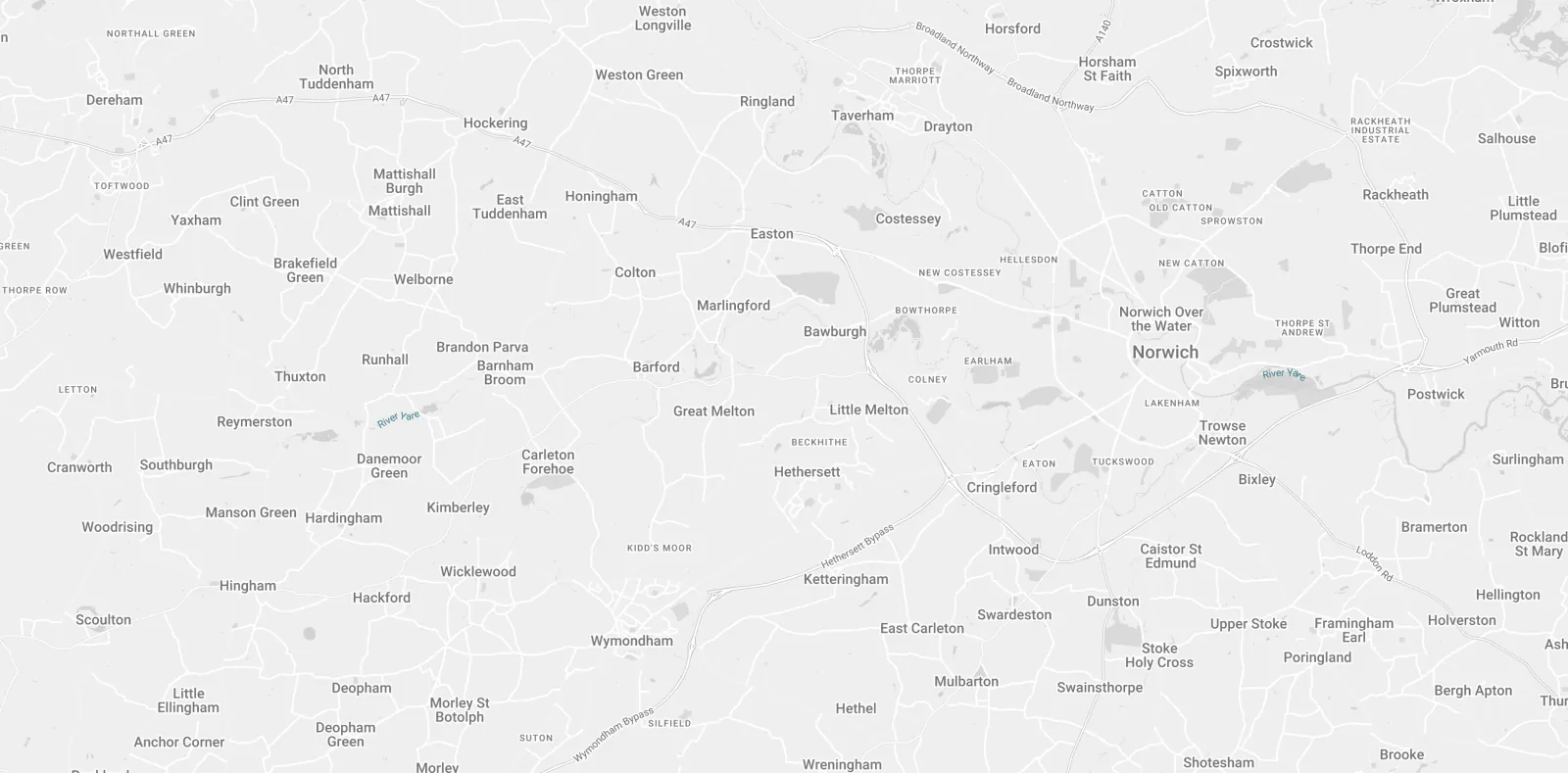
We carry out kitchen and extension electrical work throughout Norwich, Wymondham, Attleborough, Hethersett, Thetford, Dereham and surrounding villages including Cringleford, Costessey, Long Stratton, Mulbarton, Diss and Watton. If you are unsure whether we cover your postcode, call 07769 201050 and we will confirm straight away.

Planning a kitchen, extension or conversion? Let's talk.

For first fix and second fix electrical work on kitchens, extensions, loft conversions and garage conversions anywhere in Norwich, Wymondham, Attleborough, Thetford, Dereham and the wider South Norfolk area, call Hethersett Electrical or request a free no-obligation quote. We normally get back to you within 24 hours and can usually survey within the following week.

Call us on 07769 201050 Request a free quote