EICRs and Landlord Certificates in Norwich and Norfolk

Electrical Installation Condition Reports for landlords, letting agents, homeowners and commercial premises across Norwich, Wymondham, Attleborough and the wider South Norfolk area. NAPIT registered, BS 7671 compliant, clear plain-English reports, with remedial work available if anything fails.

  • NAPIT registered electricians
  • Inspection within 7 working days
  • Remedial work available

Recent EICRs and Landlord Certificates

Real inspections across Norwich & South Norfolk

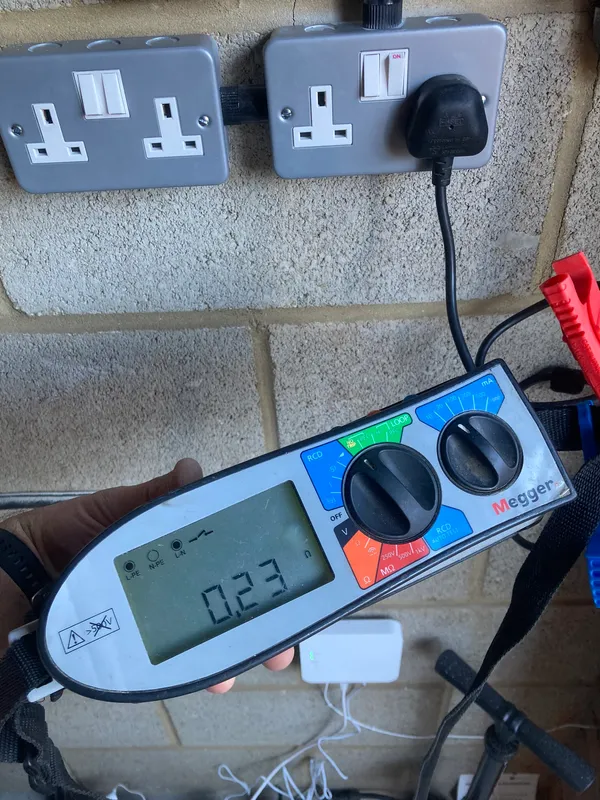
Rental EICR, Norwich
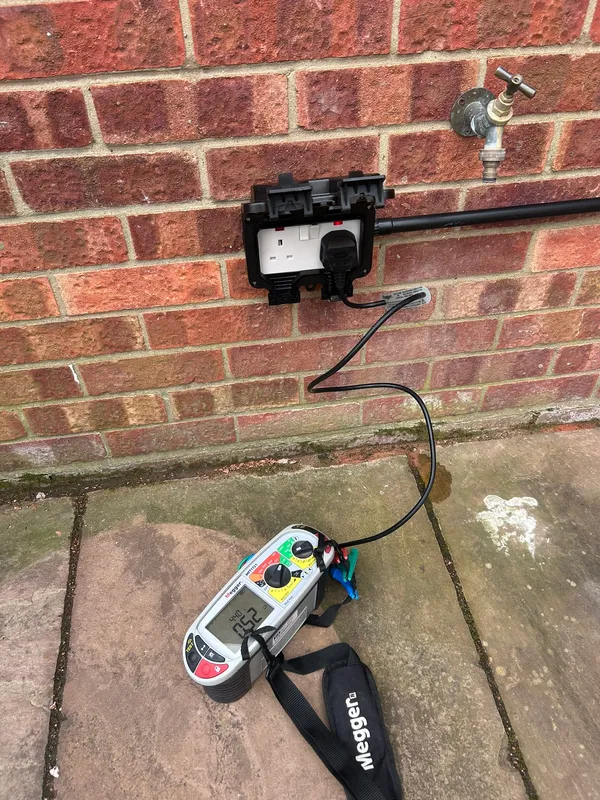
Landlord cert, Wymondham
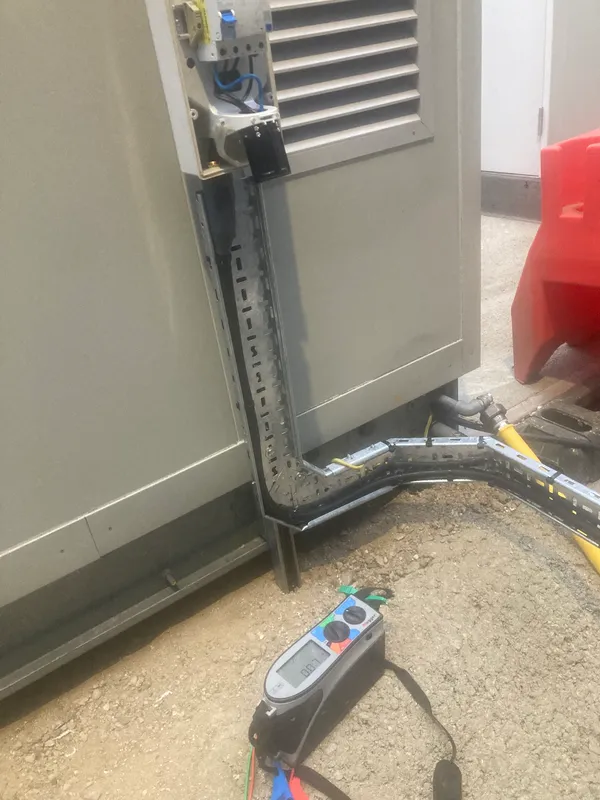
Commercial EICR, Attleborough
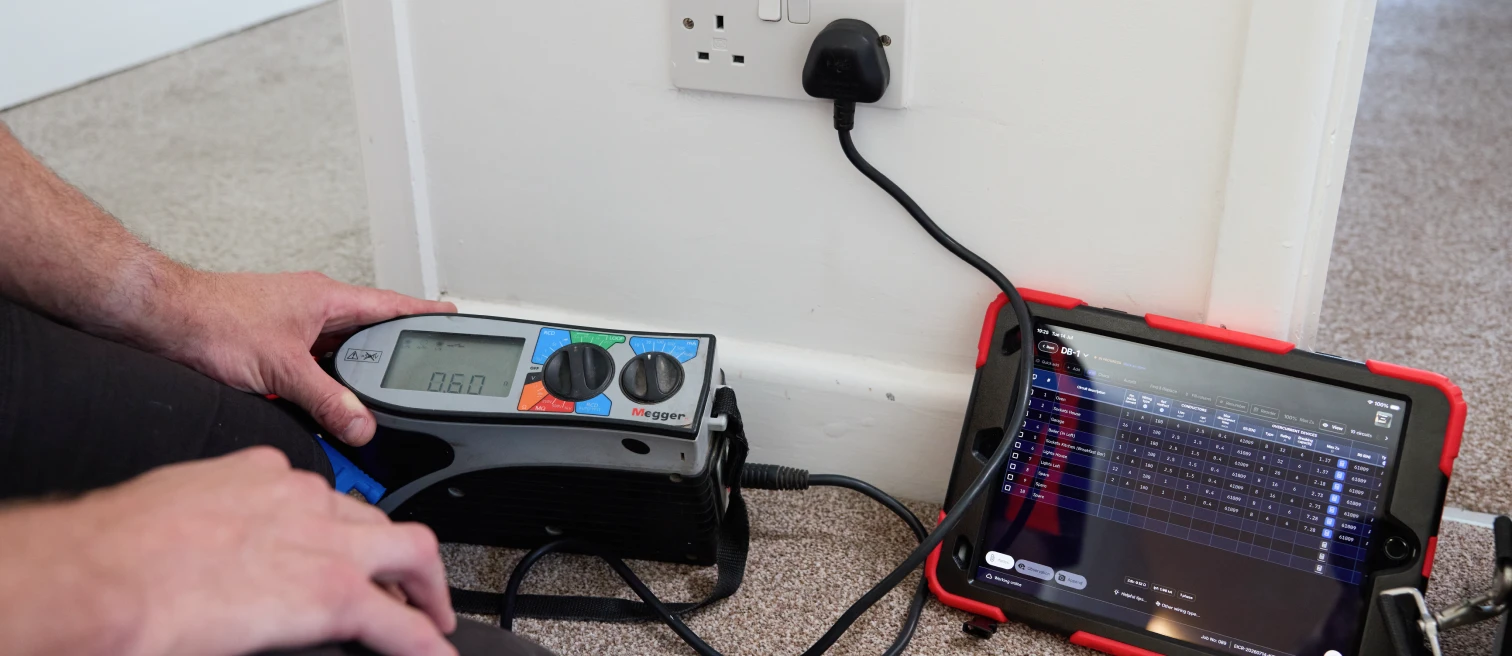
Pre-sale EICR, Hethersett

What is an EICR?

An EICR, or Electrical Installation Condition Report, is a formal inspection and test of the fixed electrical installation in a property. It is carried out by a qualified electrician and results in a certificate that grades the installation as either satisfactory or unsatisfactory, with each finding coded against BS 7671, the current UK wiring regulations.

For privately rented property in England, an EICR is a legal requirement. Under the Electrical Safety Standards in the Private Rented Sector (England) Regulations 2020, every rented home must have a satisfactory EICR at the start of a new tenancy and must be re-tested at least every five years. The maximum penalty for non-compliance is £30,000 per offence.

For owner-occupied homes and commercial premises, an EICR is not always legally required but is strongly recommended at least every ten years for domestic property and every five years for commercial, and is often requested by buyers, solicitors, insurers and mortgage lenders.

An EICR does not change anything in the installation. It is a survey. Any faults found are reported with a specific BS 7671 code (C1, C2, C3 or FI), and remedial work is quoted separately if and when you decide to go ahead.

Inspection scope

What we check during an EICR

Every EICR follows the same BS 7671 methodology, regardless of whether the property is a one-bedroom rental flat in Norwich, a family home in Wymondham or a commercial unit in Attleborough.

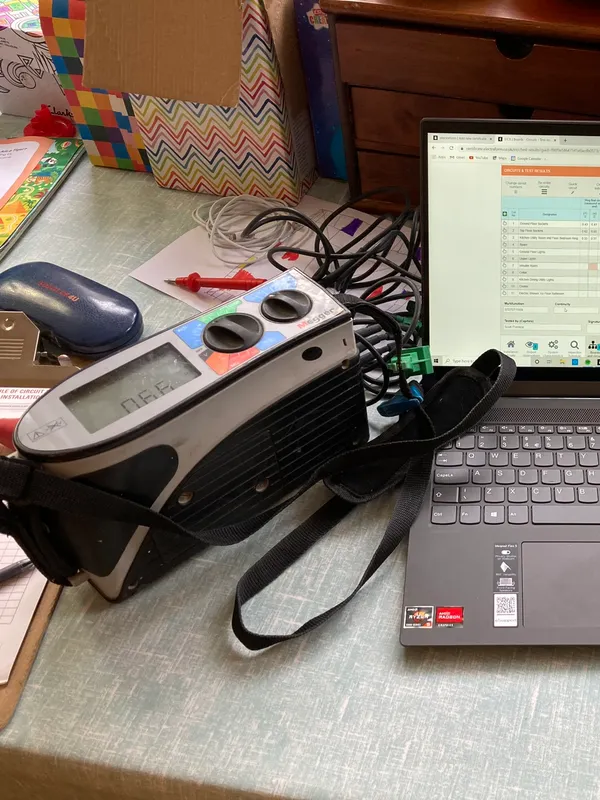
The consumer unit, main earthing and bonding, every final circuit, a representative sample of accessories and the condition of visible cabling are all inspected visually and tested live and dead.

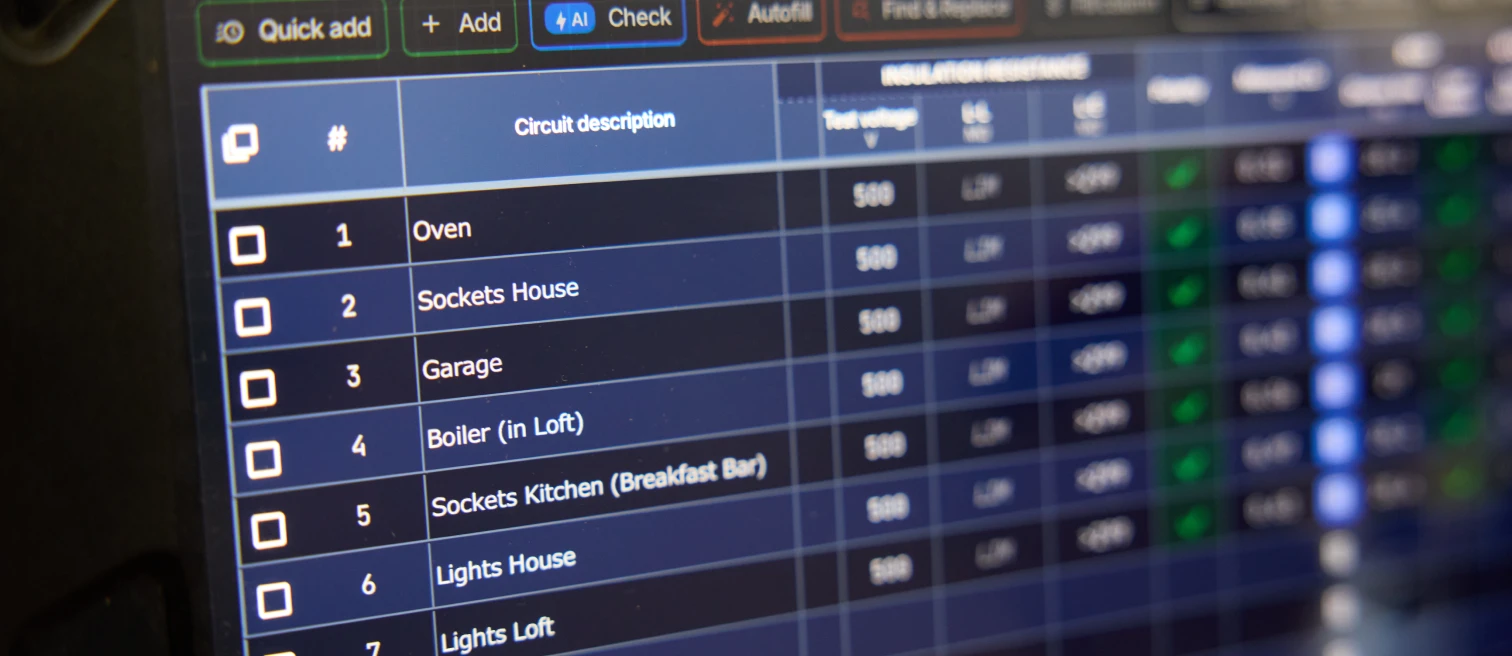
At the end of the inspection you receive a full written report with each circuit listed, each observation coded, a schedule of test results, a schedule of circuit details, and a clear overall outcome of Satisfactory or Unsatisfactory. The report is emailed in PDF within 48 hours of the inspection, with a hard copy on request.

Outcome

A clear Satisfactory or Unsatisfactory certificate, a full schedule of test results, a coded list of any observations, and, if required, a separate written quote for remedial work. No upselling, no grey areas.

  • Consumer unit (fuse board): protective devices, RCD performance, labelling and overall condition
  • Main earthing and bonding to water, gas and other incoming services
  • Every final circuit: lighting, sockets, cooker, shower, immersion, outbuildings
  • Accessories: condition and polarity of a representative sample of sockets, switches and fittings
  • Cabling: visible runs, entries at the consumer unit, signs of thermal damage
  • Smoke and heat alarms where part of the fixed installation
  • Bathroom and kitchen supplementary bonding where applicable
  • External circuits, EV charger circuits, outbuildings and garden offices

Results explained

What do the EICR codes mean?

Every observation on an EICR is given a code. These codes determine whether the report is satisfactory or not, and therefore whether remedial work is required.

CodeMeaningAction requiredAffects outcome?
C1Danger present. Risk of injury.Immediate action required. We will offer to make safe on the day.Report unsatisfactory until fixed
C2Potentially dangerous.Remedial work required to make the report satisfactory.Report unsatisfactory until fixed
C3Improvement recommended.Does not make the report fail. Recommended but not mandatory.Report remains satisfactory
FIFurther investigation required.Investigation needed to confirm whether a C1 or C2 exists.Report unsatisfactory until resolved

An EICR is unsatisfactory if any C1, C2 or FI is recorded. A C3 alone does not fail the report. For rented property in England, a satisfactory certificate is the legal requirement, so a C1, C2 or FI means remedial work is needed within 28 days of the inspection under the 2020 regulations.

The most common findings we see on Norfolk properties are missing or under-rated RCD protection on the consumer unit (often C2), insufficient main earth or bonding to water and gas (often C2), damaged accessories (C1 or C2 depending on condition), and older wiring that has reached the end of its insulation life (C2 or C3 depending on extent). Where a C1 or C2 is recorded, we provide a separate written quote for the remedial work and can usually carry it out within the 28-day window. For broader issues, a consumer unit upgrade or a full or partial rewire is sometimes the most economical route.

Who this is for

EICRs for landlords and commercial premises

Landlord and commercial EICRs are governed by different regulations and have different scheduling needs. Both are a core part of what we do.

For commercial premises

Commercial EICRs

Commercial EICRs follow the same BS 7671 methodology as domestic inspections but the scope and scheduling are different. Retail units, offices, salons, cafes, small industrial premises and serviced workspace all have specific needs around trading hours, building access and, where applicable, freeholder consent.

We will normally schedule commercial EICRs out of hours or at the start of the trading day, work through the installation in a phased way where power needs to stay on for refrigeration or critical equipment, and provide a report formatted for insurers and managing agents.

Frequency and responsibility

Most commercial properties are re-tested every five years, though some (high-footfall retail, public-facing hospitality, industrial) are tested more frequently depending on use and insurer requirements. If you are unsure what your premises requires, we are happy to advise at the quote stage.

Legal

Responsibility sits with the duty holder under the Electricity at Work Regulations 1989, usually the employer or the landlord depending on the lease. Check the lease or speak to your managing agent before booking.

Cost guide

How much does an EICR cost in Norwich?

Cost depends primarily on property size, number of circuits, accessibility of the consumer unit, and whether the inspection is domestic, commercial or HMO. The ranges below are typical for Norfolk properties in 2026.

Property typeTypical circuitsEICR price range
1-bed flat or small terrace4 to 6£130 to £180
2-bed house or flat5 to 7£160 to £200
3-bed semi or terrace6 to 9£180 to £240
4-bed detached or larger8 to 12£220 to £300
5+ bed detached or period home10+From £280, quoted individually
HMO (per property)VariesFrom £220, quoted individually
Commercial unit (small)VariesFrom £220, quoted individually
Commercial unit (medium to large)VariesQuoted individually after site visit

A cost reference point worth being clear about: the national "typical cost" figures for EICRs that you may see on comparison sites are UK-wide averages and include large-city pricing. Norfolk pricing is competitive against those national benchmarks, not a premium.

Need an EICR this week?

Most inspections booked within 7 working days. Portfolio rates for landlords. Call now for a quote.

Speed and booking

How quickly can you do an EICR?

Most EICR bookings in Norwich and the surrounding area can be scheduled within 7 working days of the initial enquiry, and often sooner where a tenancy deadline is tight.

Old rubber or fabric cables

Rubber-sheathed or fabric-covered cable visible at the consumer unit or in the loft is a strong indicator the installation has not been updated in decades.

Wooden-backed fuse board

A wooden backboard with rewirable ceramic fuses has no RCD protection and has been obsolete for decades. It is a clear signal that the installation needs a fresh start.

Round-pin sockets or bakelite switches

Round-pin sockets, brown bakelite switches and non-standard fittings are markers of pre-1970s wiring that should have been replaced long ago.

Our process

How an EICR with us works

Six steps from first enquiry to certificate, with a clear pathway if anything needs to be remedied.

  1. 01

    Initial enquiry and quote

    Call or email with the property address, number of bedrooms, approximate age of the installation and the reason for the inspection (tenancy, sale, peace of mind, insurance request). You receive a fixed written quote within one working day.

  2. 02

    Booking and access

    Once you accept the quote we agree a date that works for you and, where relevant, for the tenant or commercial occupier. We liaise with tenants directly if you prefer. Most domestic inspections are booked within 7 working days of the quote.

  3. 03

    On-site inspection

    We arrive at the booked time, introduce ourselves to whoever is on site, and carry out a full visual inspection and live and dead testing of every circuit and the consumer unit. For occupied homes we agree any short power-off windows in advance so nothing critical is disrupted.

  4. 04

    Making safe, if needed

    If a C1 (danger present) is discovered during the inspection we explain the risk clearly, offer to make safe on the day where that is practical, and note the work on a Minor Works certificate. You always decide whether to authorise the make-safe work.

  5. 05

    Report issued

    Within 48 hours of the inspection you receive a full written report by email as a PDF, with the overall outcome, coded observations, schedule of inspections and schedule of test results. A hard copy is available on request.

  6. 06

    Remedial quote, if the report is unsatisfactory

    If the report is unsatisfactory we provide a separate written quote for the remedial work needed to bring it to satisfactory. You are never obliged to have the remedials done by us, though most landlords do because it is faster and avoids retest complications.

Peter Buzzle

5 Years ago

Lorem ipsum dolor sit amet, consectetur adipiscing elit. Nunc urna velit, Lorem ipsum dolor sit amet, consectetur adipiscing elit. Nunc urna velit ...

FAQs

EICR FAQs

The questions we are asked most often about EICRs and landlord electrical safety certificates.

What is an EICR?ShowHide

An EICR (Electrical Installation Condition Report) is a formal inspection and test of the fixed electrical installation in a property, carried out by a qualified electrician. It grades the installation as Satisfactory or Unsatisfactory, with every observation coded against BS 7671, and is the standard way to prove a property's wiring is safe.

How much does an EICR cost in Norwich?ShowHide

Most domestic EICRs in Norwich and Norfolk fall between £130 and £300 depending on the size of the property and the number of circuits, with HMOs and commercial premises quoted individually. Prices cover the inspection and certificate only; any remedial work is quoted separately. Landlords with two or more properties qualify for portfolio rates.

How long is an EICR valid for and how often should I have one?ShowHide

For rented property in England an EICR is valid for up to five years, or sooner if the inspecting electrician specifies a shorter interval on the report. Owner-occupied homes are recommended to test at least every ten years, and commercial premises typically every five, though some high-use premises are tested more often.

How long does an EICR take?ShowHide

A typical domestic EICR takes between two and four hours depending on the size of the property and the number of circuits. Larger homes, HMOs and commercial premises take longer. We agree any short power-off windows in advance so nothing critical is disrupted.

What happens if my EICR is unsatisfactory?ShowHide

An Unsatisfactory result means at least one C1, C2 or FI has been recorded. We provide a separate written quote for the remedial work needed to bring the installation to a satisfactory standard, and for rented property this must be completed within 28 days of the inspection under the 2020 Regulations. You are free to use any electrician for the remedials, though most clients have us carry them out to avoid retest complications.

What do the codes C1, C2 and C3 mean?ShowHide

C1 means danger is present and immediate action is required. C2 means potentially dangerous and remedial work is required for the report to pass. C3 is an improvement recommendation that does not fail the report. An FI means further investigation is required. Any C1, C2 or FI makes the report Unsatisfactory; a C3 alone does not.

Is an EICR a legal requirement?ShowHide

For privately rented property in England, yes — a satisfactory EICR is a legal requirement under the Electrical Safety Standards in the Private Rented Sector (England) Regulations 2020, with penalties of up to £30,000 for non-compliance. For owner-occupied homes it is strongly recommended but not legally mandated; for commercial premises, duties arise under the Electricity at Work Regulations 1989.

Do you offer portfolio rates for landlords?ShowHide

Yes. For landlords and letting agents with two or more properties we offer portfolio rates, typically a 10 to 15% reduction on the per-property price where inspections can be scheduled together. We liaise with tenants directly to arrange access and issue reports in a format agents can upload to their management systems. Ask for a portfolio quote when you call.

Do I need an EICR to sell my house?ShowHide

An EICR is not a legal requirement for selling an owner-occupied home, but buyers, solicitors, surveyors and mortgage lenders increasingly ask for one, and a recent satisfactory report can smooth a sale and avoid last-minute renegotiation over electrical concerns. It is well worth having if your installation has not been tested in the last ten years.

Who is responsible for the EICR on a commercial property?ShowHide

Under the Electricity at Work Regulations 1989, the duty holder is responsible. Whether that is the employer, the tenant or the landlord depends on the lease. In most commercial tenancies the occupying tenant is responsible during the lease term, though the freeholder usually retains responsibility for shared parts of the building. If you are unsure, check the lease or speak to your managing agent before booking. We are happy to advise at the quote stage.

Service area

EICRs across Norwich and South Norfolk

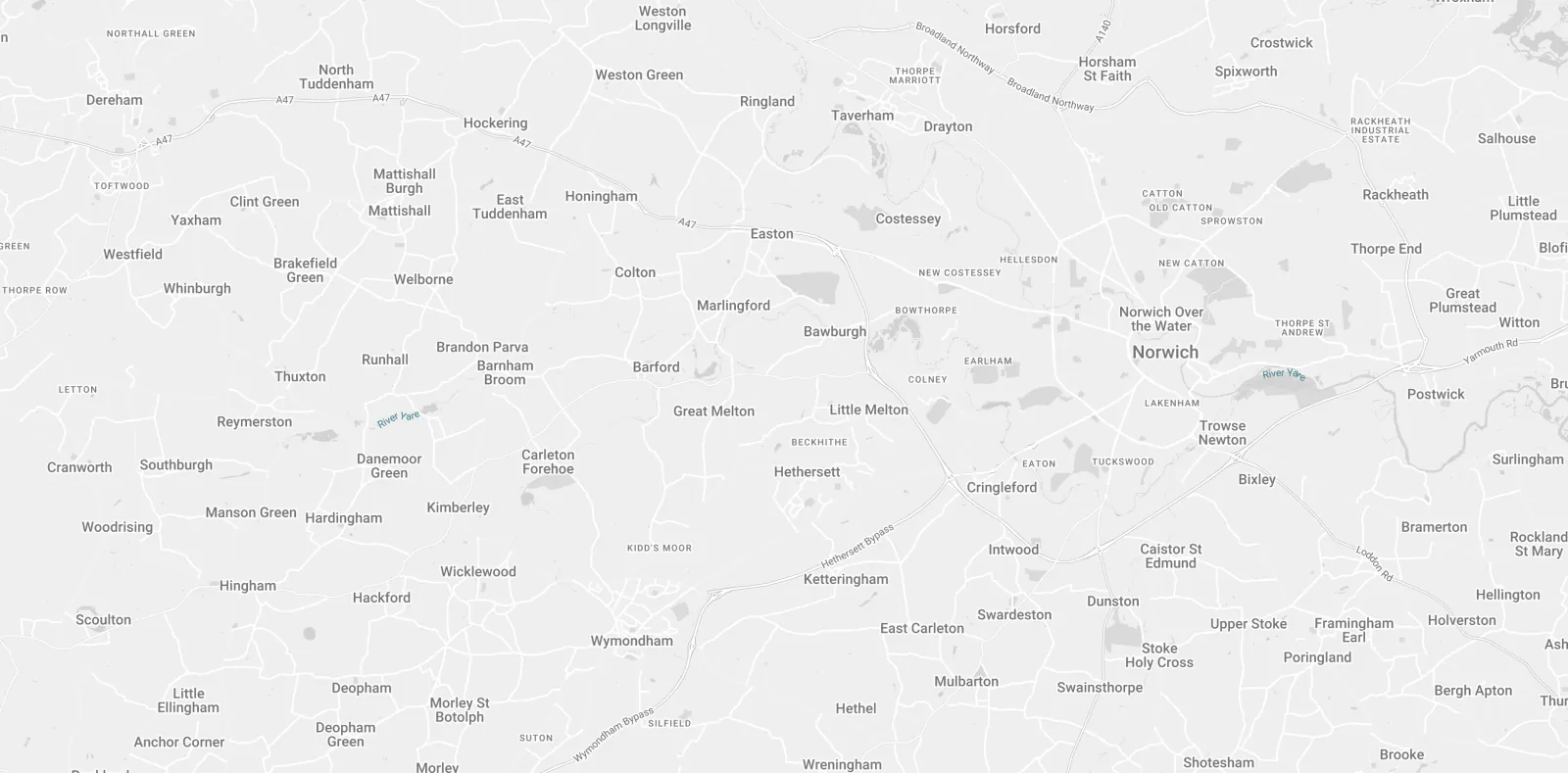
We carry out EICRs and landlord electrical safety certificates throughout Norwich, Wymondham, Attleborough, Hethersett, Thetford, Dereham and surrounding villages including Cringleford, Costessey, Long Stratton, Mulbarton, Diss and Watton. If you are unsure whether we cover your postcode, call 07769 201050 and we will confirm straight away.

Ready to book your EICR?

Call Hethersett Electrical for a written quote on an EICR or landlord electrical safety certificate anywhere in Norwich, Wymondham, Attleborough and the wider South Norfolk area. We will normally respond within one working day and can usually inspect within the following week. Portfolio rates available for landlords with two or more properties.

Call us on 07769 201050 Request a free quote